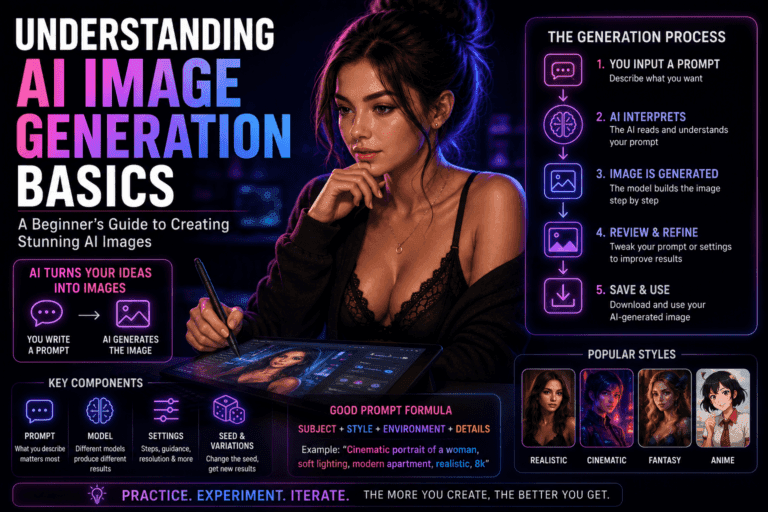

Artificial intelligence has quietly decided that humans weren’t enough, so now we have digital personalities competing for attention, money, and influence. AI-generated characters and virtual influencers are no longer experimental gimmicks. They are fully operational digital entities with millions of followers, brand deals, and cultural impact.
This article explores how AI-generated characters are created, how virtual influencers work, why brands are obsessed with them, and what this means for the future of marketing, entertainment, and identity.
What Are AI-Generated Characters?
AI-generated characters are digital personas created using artificial intelligence tools. These characters can look human, cartoonish, hyper-realistic, or completely surreal. They are powered by a mix of technologies such as:
- Generative AI (for images, video, voice, and text)
- Natural language processing (for conversations and personality)
- Machine learning (for behavior patterns and content optimization)
Unlike traditional fictional characters, AI-generated ones can evolve in real time. They can post on social media, respond to comments, and even “learn” from audience interactions.
Types of AI Characters
- Static AI Characters
These are primarily visual creations used in art, games, or storytelling. - Interactive AI Characters
These characters can converse with users using chatbots or voice systems. - Autonomous AI Personalities
These are the closest to virtual influencers. They maintain social media accounts, post content, and simulate a consistent identity.
What Are Virtual Influencers?
Virtual influencers are AI-generated or digitally created personalities that behave like human influencers on platforms like Instagram, TikTok, and YouTube.
They have:
- Backstories
- Personalities
- Visual identities
- Social media presence
- Brand collaborations
The only thing they don’t have is a biological existence, which honestly saves them from burnout, scandals, and awkward interviews.
Key Characteristics
- Always on-brand
- Highly customizable
- Scalable across platforms
- Immune to aging, fatigue, or bad decisions (unless programmed poorly)
How AI-Generated Characters Are Created
Creating AI characters involves multiple layers of technology and creative direction.
1. Visual Design
Tools like generative image models are used to create consistent character appearances. Designers refine features, clothing, and style.
2. Personality Engineering
This includes defining tone, behavior, interests, and emotional responses. It often involves prompt engineering and structured personality frameworks.
3. Content Generation
AI tools generate posts, captions, videos, and interactions. This can be automated or semi-controlled by human teams.
4. Voice and Animation
Advanced systems add voice synthesis and motion, enabling characters to speak and appear in video content.
5. Deployment and Management
Teams manage accounts, monitor engagement, and adjust strategies.
The Rise of Virtual Influencers
Virtual influencers have grown rapidly over the past decade. Initially seen as novelty projects, they are now serious marketing assets.
Why They Became Popular
- Control
Brands can fully control messaging and behavior. - Consistency
No off-brand scandals or unpredictable actions. - Cost Efficiency
Long-term savings compared to human influencers. - Global Appeal
They can be localized for different markets easily.
Benefits of AI-Generated Influencers
For Brands
- Full creative control
- No reputational risk from personal behavior
- Infinite scalability
- Data-driven optimization
For Audiences
- Unique and creative content
- Interactive experiences
- Consistent engagement
For Creators
- New monetization opportunities
- Reduced dependency on personal identity
- Ability to experiment with multiple personas
Challenges and Risks
Despite the hype, AI-generated characters come with issues.
1. Authenticity Concerns
People are increasingly skeptical of what is real. Virtual influencers blur that line even further.
2. Ethical Questions
- Transparency: Should audiences always know it’s AI?
- Manipulation: Are people being emotionally influenced by non-human entities?
3. Technical Limitations
AI still struggles with consistency in long-term storytelling and emotional depth.
4. Market Saturation
As more virtual influencers emerge, standing out becomes harder.
Real-World Examples
Some virtual influencers have already reached massive success.
- Lil Miquela
- Shudu
- Noonoouri
They collaborate with major brands, appear in campaigns, and maintain millions of followers.
AI Characters in Different Industries
1. Marketing and Advertising
Brands use virtual influencers for campaigns, product launches, and storytelling.
2. Gaming
AI characters enhance immersion and personalization.
3. Film and Entertainment
Digital actors and AI personalities are becoming more common.
4. Education
AI tutors and interactive characters improve learning experiences.
The Psychology Behind Virtual Influence
Humans are surprisingly willing to form emotional connections with non-human entities. This is driven by:
- Anthropomorphism
- Narrative engagement
- Social validation
Even when people know a character is artificial, they still engage as if it were real.
The Business Model of Virtual Influencers
Revenue Streams
- Brand partnerships
- Sponsored content
- Merchandise
- Licensing
Cost Structure
- Development and design
- Content production
- Platform management
Despite initial costs, virtual influencers can be highly profitable over time.
How to Create Your Own AI Character
Step 1: Define Purpose
Decide whether your character is for entertainment, marketing, or education.
Step 2: Design Identity
Create visual style, personality, and backstory.
Step 3: Choose Tools
Use AI tools for image, text, and voice generation.
Step 4: Build Content Strategy
Plan posts, interactions, and growth tactics.
Step 5: Launch and Iterate
Analyze performance and refine continuously.
Future Trends
Hyper-Realistic Avatars
Characters will become indistinguishable from real humans.
Real-Time Interaction
AI influencers will interact live with audiences.
Integration with VR and AR
Virtual influencers will exist in immersive environments.
Decentralized Ownership
Blockchain may allow shared ownership of digital personalities.
Ethical and Legal Considerations
- Disclosure requirements
- Intellectual property rights
- Deepfake regulations
As the technology evolves, regulations will likely become stricter.
Conclusion
AI-generated characters and virtual influencers represent a fundamental shift in how identity, creativity, and influence are defined. They challenge traditional ideas of authenticity while opening new opportunities for innovation.
Whether this future is exciting or unsettling depends on how responsibly the technology is used. One thing is certain: digital personalities are here to stay, and they are only getting more sophisticated.
FAQs
1. What are AI-generated characters?
AI-generated characters are digital personalities created using artificial intelligence technologies such as generative AI, machine learning, and natural language processing. They can be used for storytelling, marketing, gaming, and interactive experiences.
2. What is a virtual influencer?
A virtual influencer is a digitally created character that operates on social media like a human influencer. They post content, interact with followers, and collaborate with brands, but are controlled by AI systems or creative teams.
3. Are virtual influencers completely controlled by AI?
Not entirely. Most virtual influencers are powered by a combination of AI tools and human oversight. While AI helps generate content and interactions, human teams often guide strategy, branding, and storytelling.
4. Why are brands using virtual influencers?
Brands use virtual influencers because they offer full control over messaging, eliminate risks associated with human behavior, and allow for scalable, consistent content across multiple platforms.
5. What are the risks of AI-generated influencers?
The main risks include lack of authenticity, ethical concerns about transparency, potential audience manipulation, and increasing competition as more virtual influencers enter the market.